A pair of copperplate engravings from 'The Naturalist's Miscellany' Shaw & Nodder, framed and glazed,
1790-1813
25cm x 28cm
These prints come from 'The Naturalist's Miscellany', a 24-volume monumental compendium jointly created by the British naturalist George Shaw and a botanical artist Frederick Polydore Nodder, the "Botanical Painter to Her Majesty."
Published between 1790 and 1813, it is highly celebrated for its exquisite, detailed engravings of flora and fauna. The work reflects the era's fascination with global exploration and discovery, providing scientific illustrations with truly artistic value, drawn directly from life. Some examples offered the first glimpse on the newly-discovered spices to the British public.
Can be purchased individually.
A pair of copperplate engravings from 'The Naturalist's Miscellany' Shaw & Nodder, framed and glazed,
1790-1813
25cm x 28cm
These prints come from 'The Naturalist's Miscellany', a 24-volume monumental compendium jointly created by the British naturalist George Shaw and a botanical artist Frederick Polydore Nodder, the "Botanical Painter to Her Majesty."
Published between 1790 and 1813, it is highly celebrated for its exquisite, detailed engravings of flora and fauna. The work reflects the era's fascination with global exploration and discovery, providing scientific illustrations with truly artistic value, drawn directly from life. Some examples offered the first glimpse on the newly-discovered spices to the British public.
Can be purchased individually.

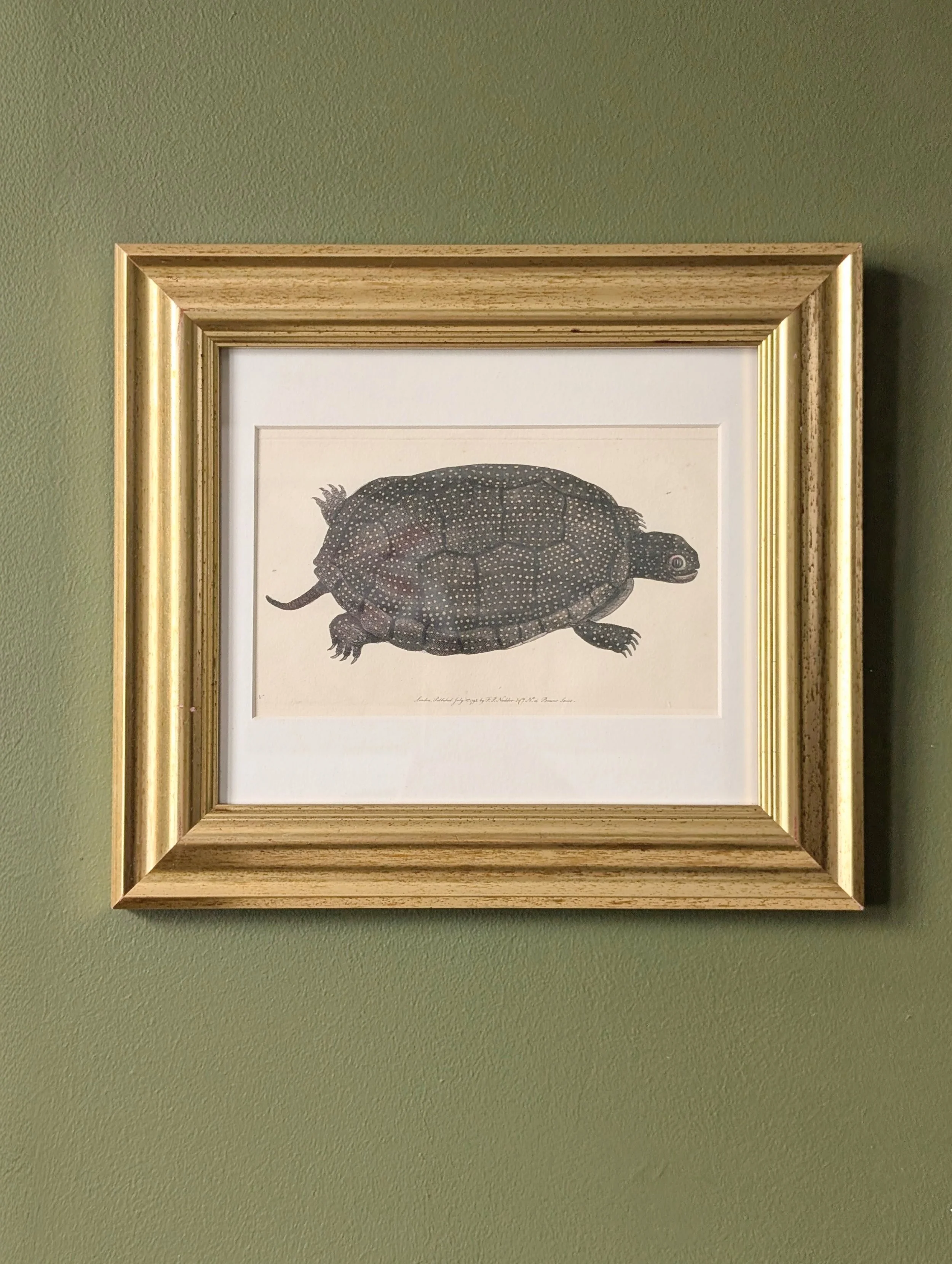 Image 1 of 6
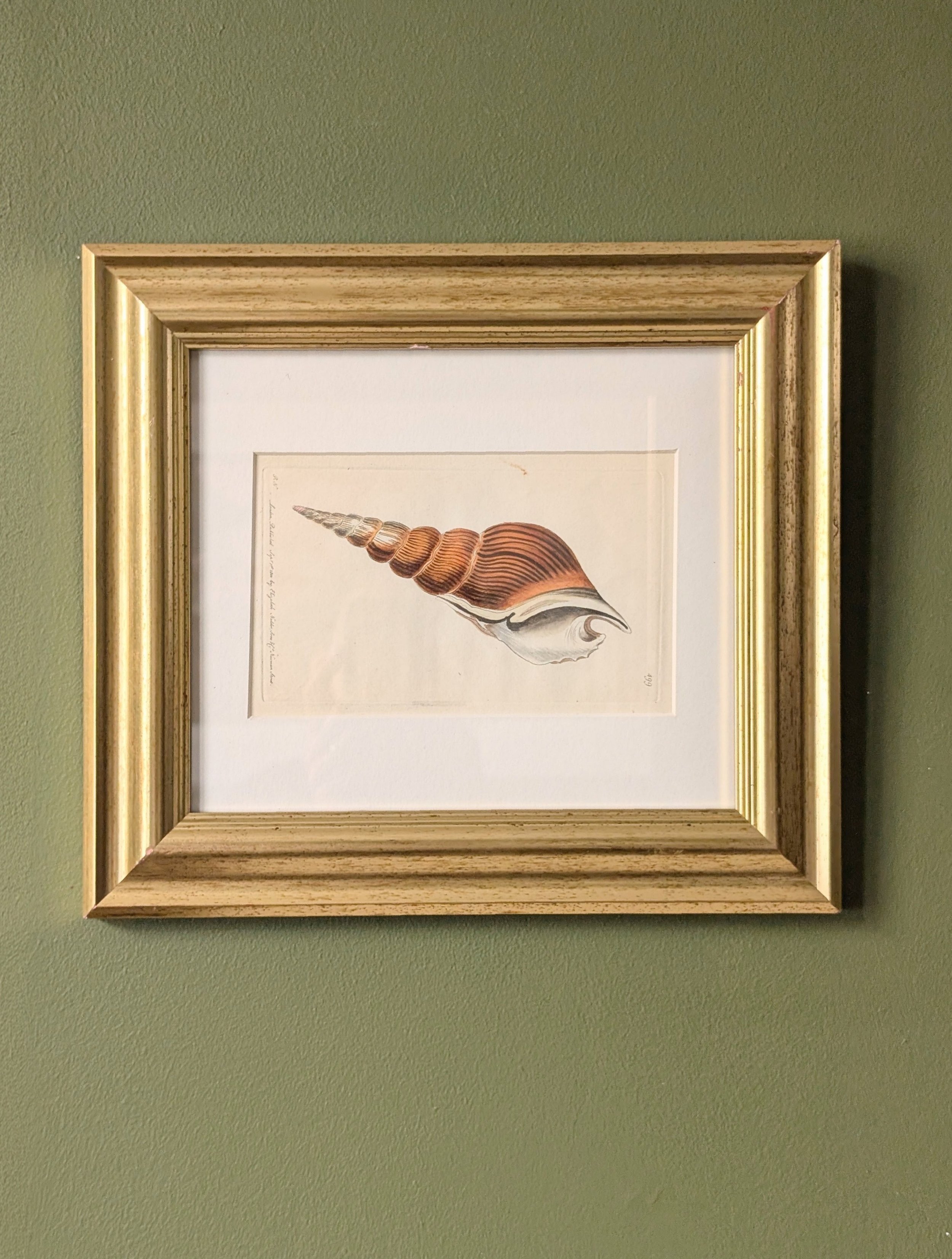 Image 2 of 6
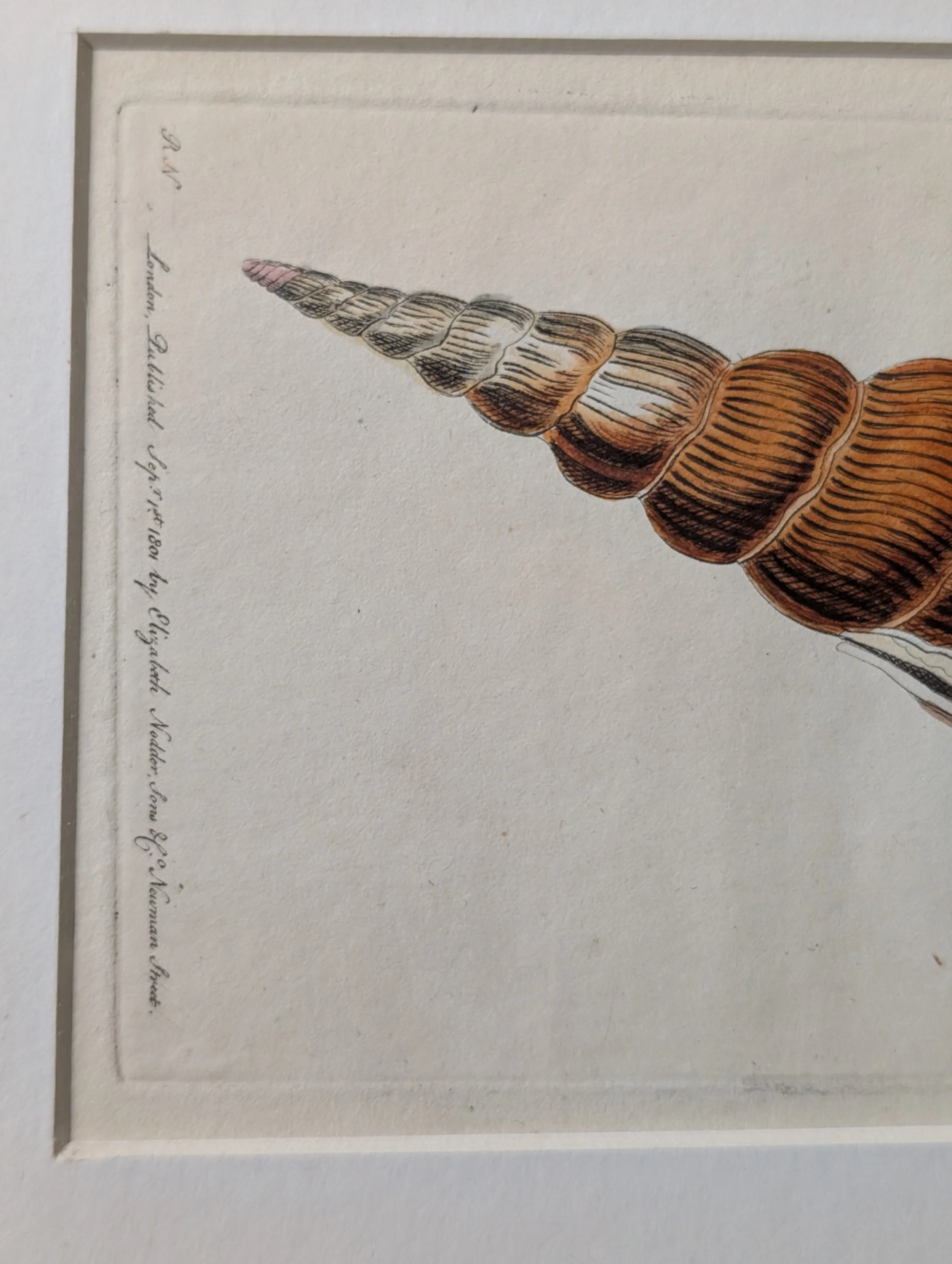 Image 3 of 6
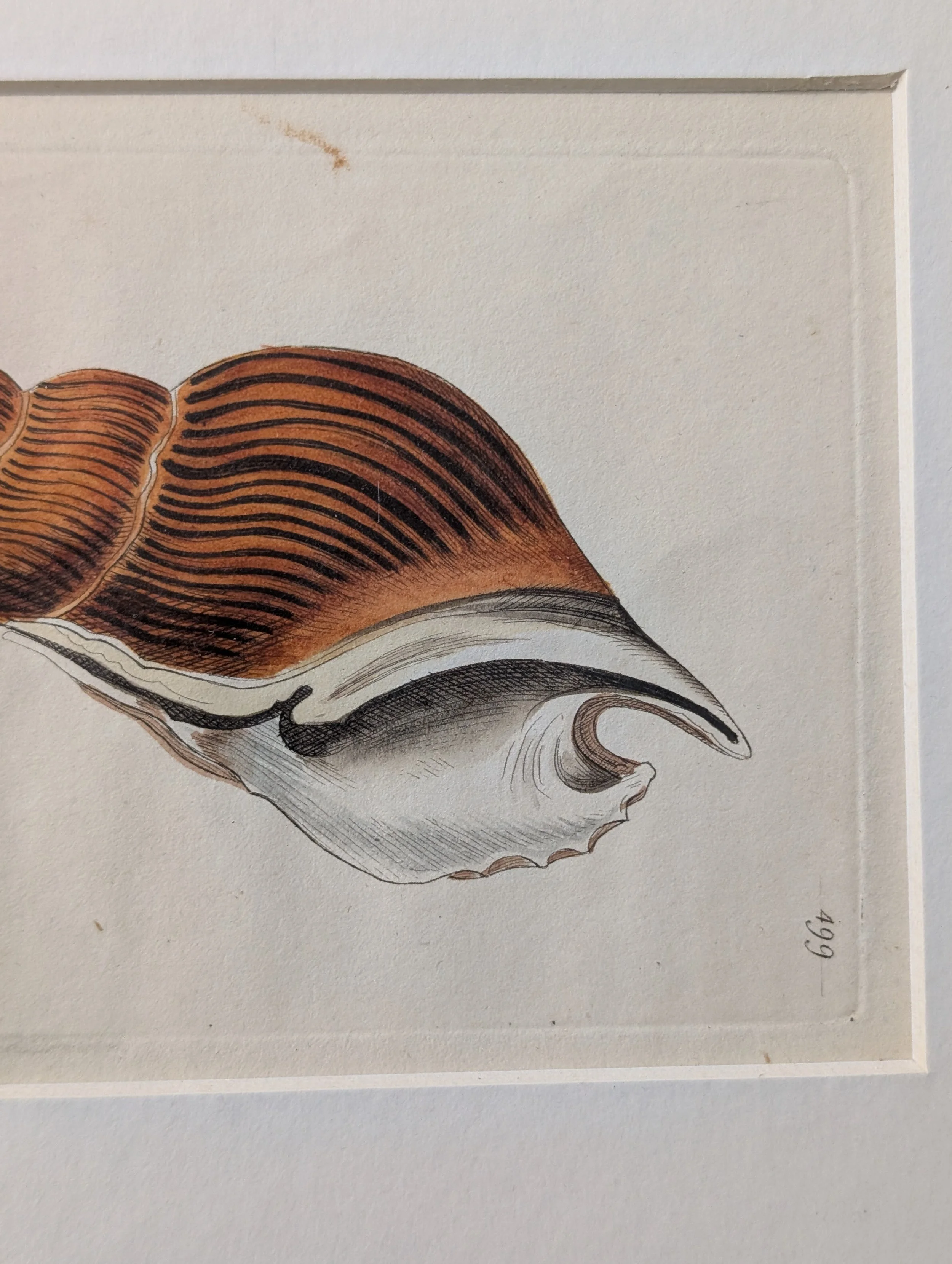 Image 4 of 6
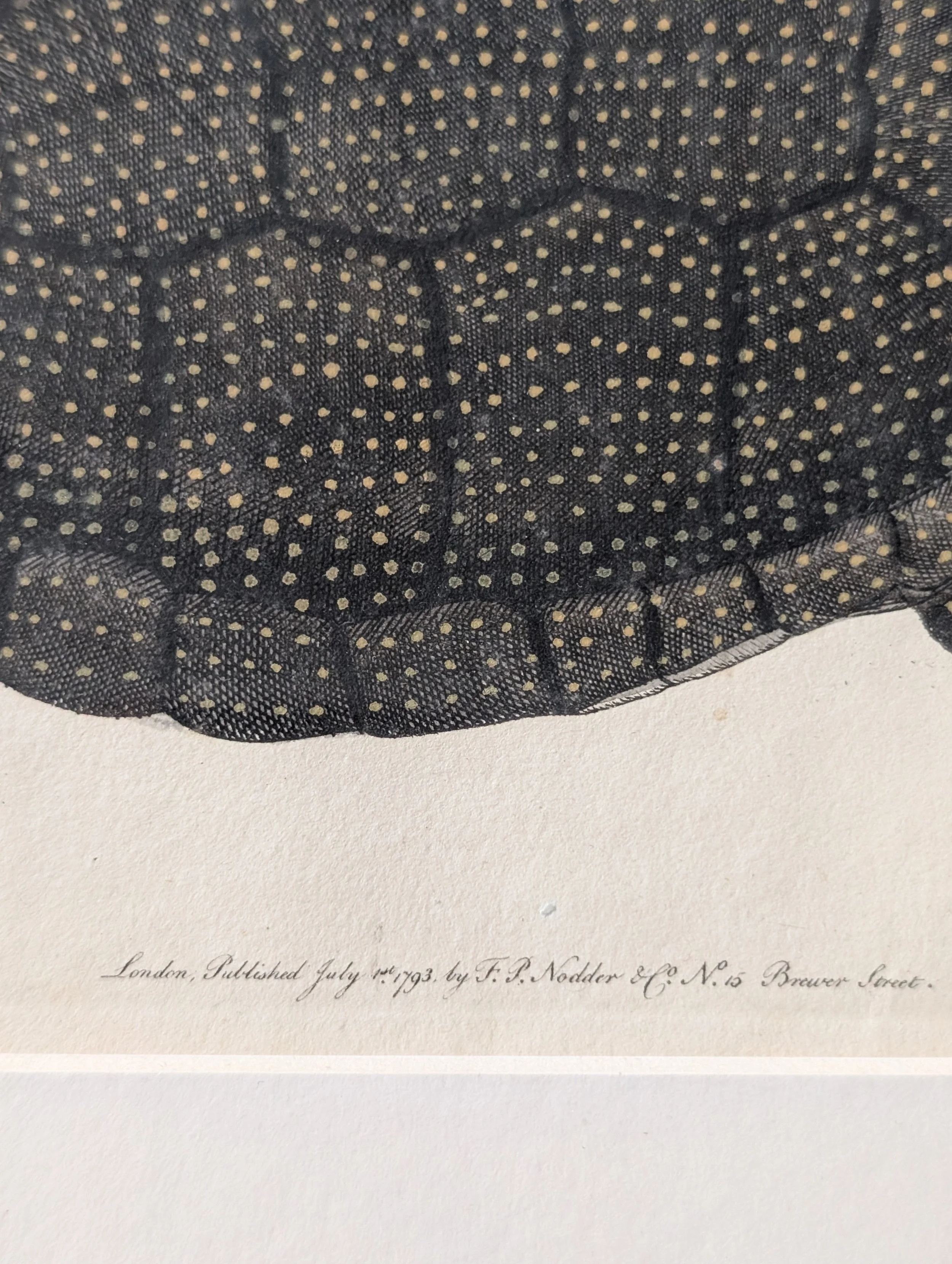 Image 5 of 6
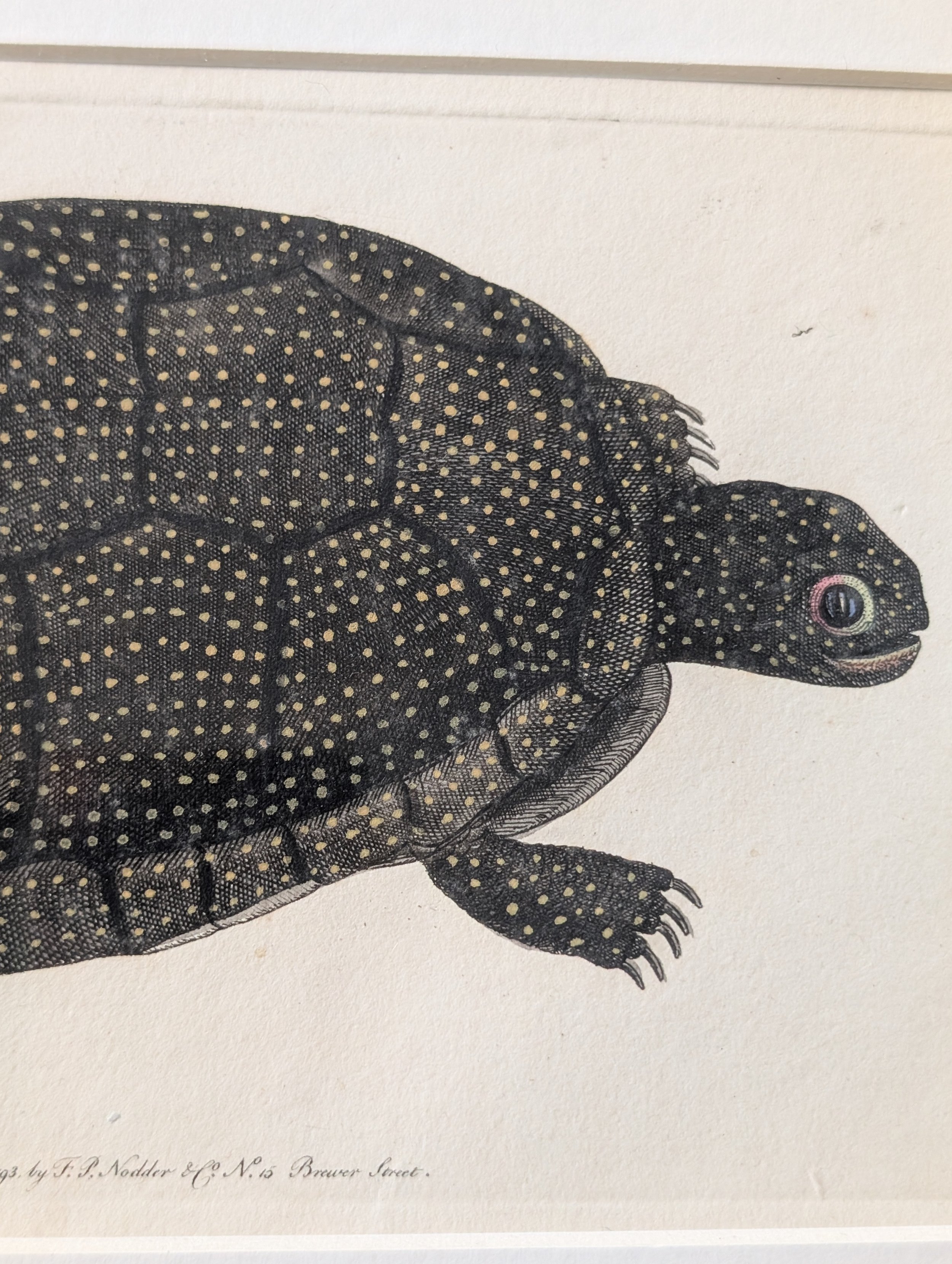 Image 6 of 6