
 Image 1 of 5
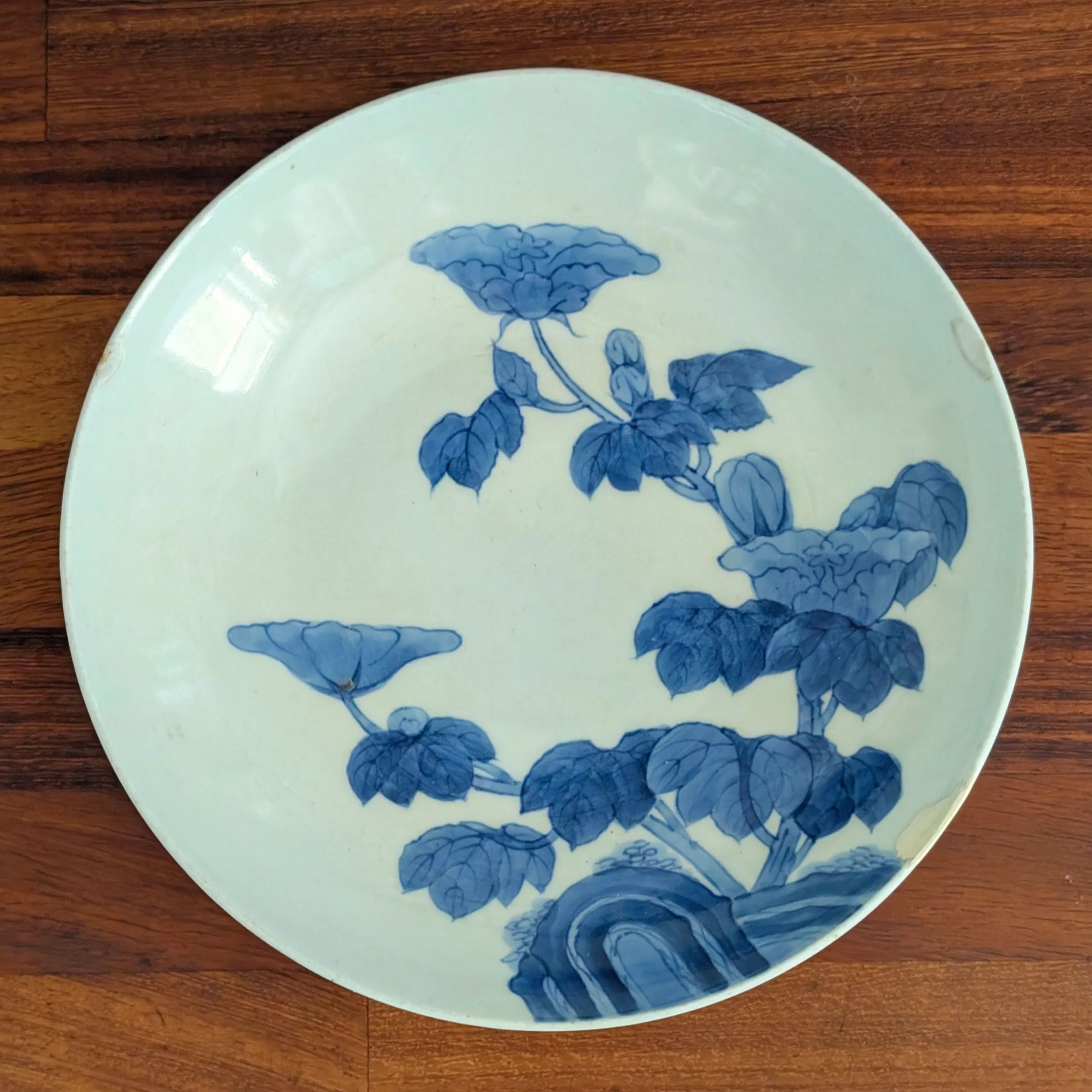 Image 2 of 5
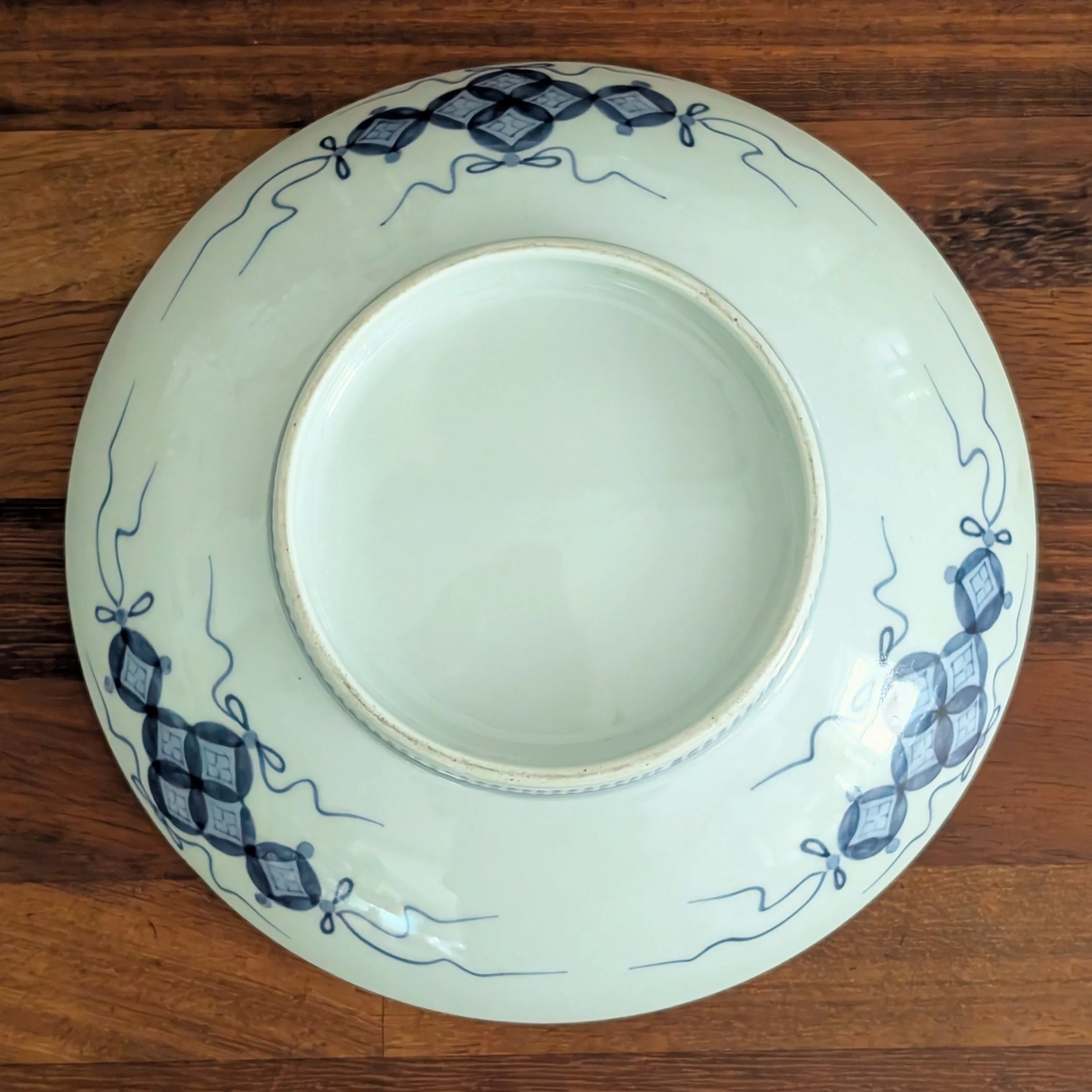 Image 3 of 5
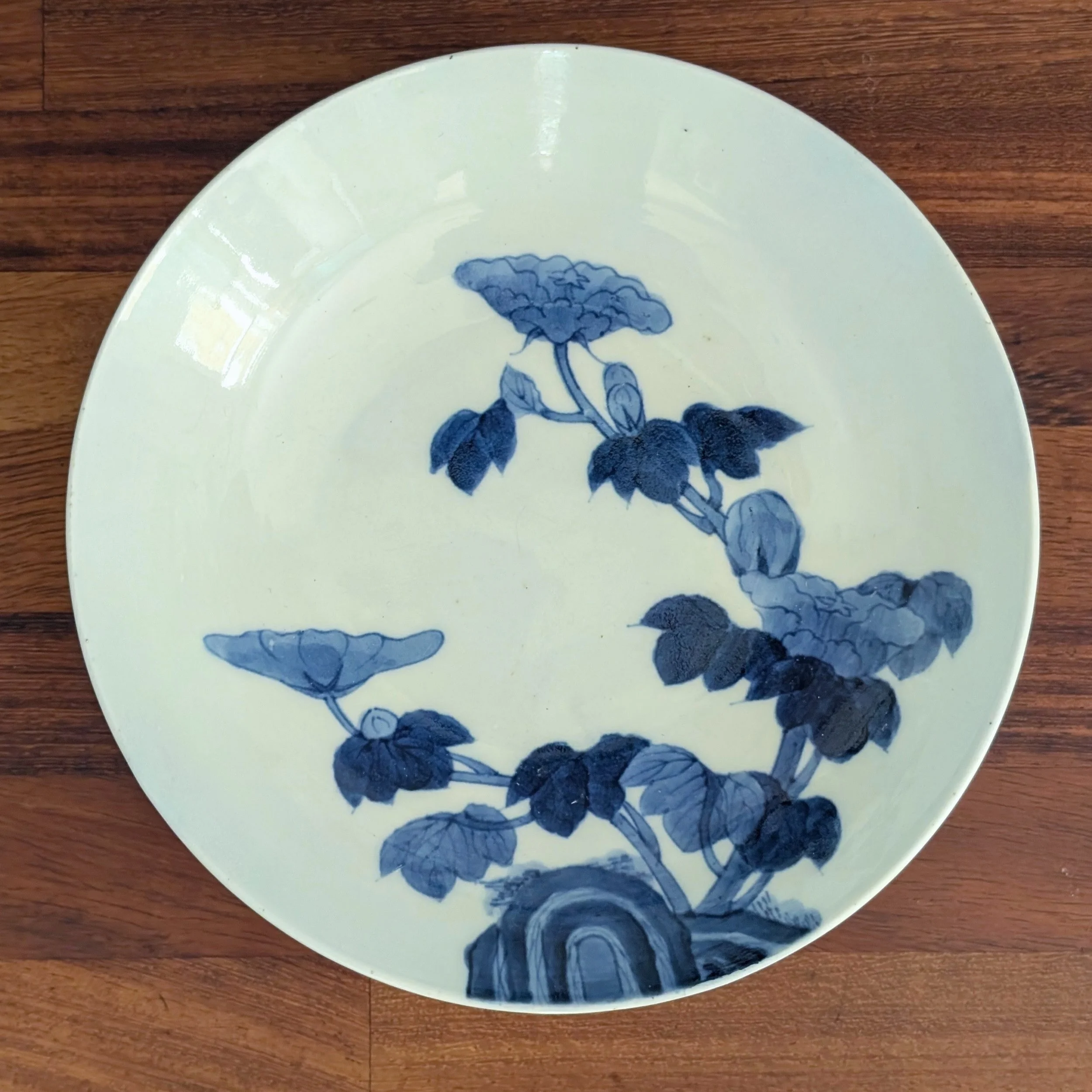 Image 4 of 5
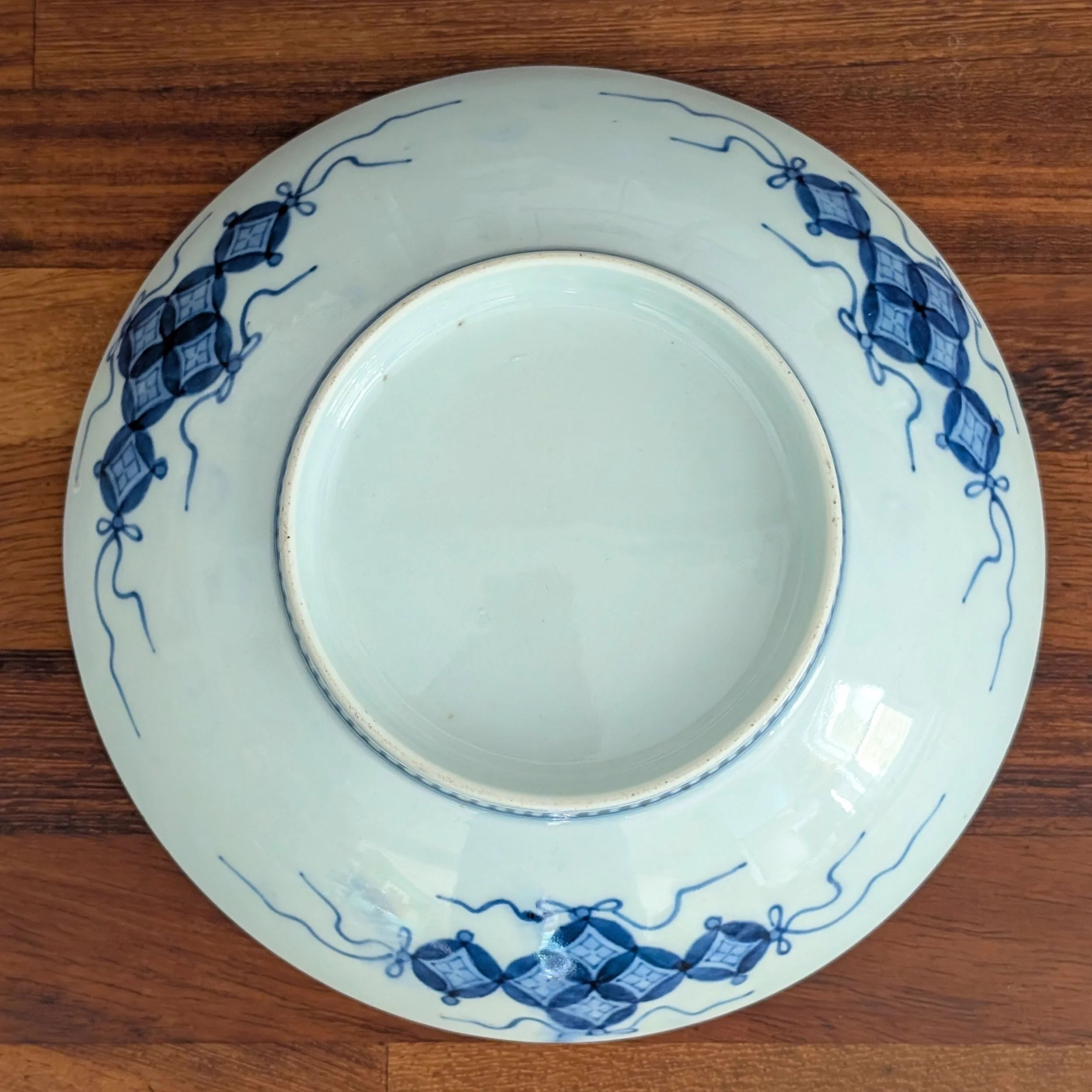 Image 5 of 5
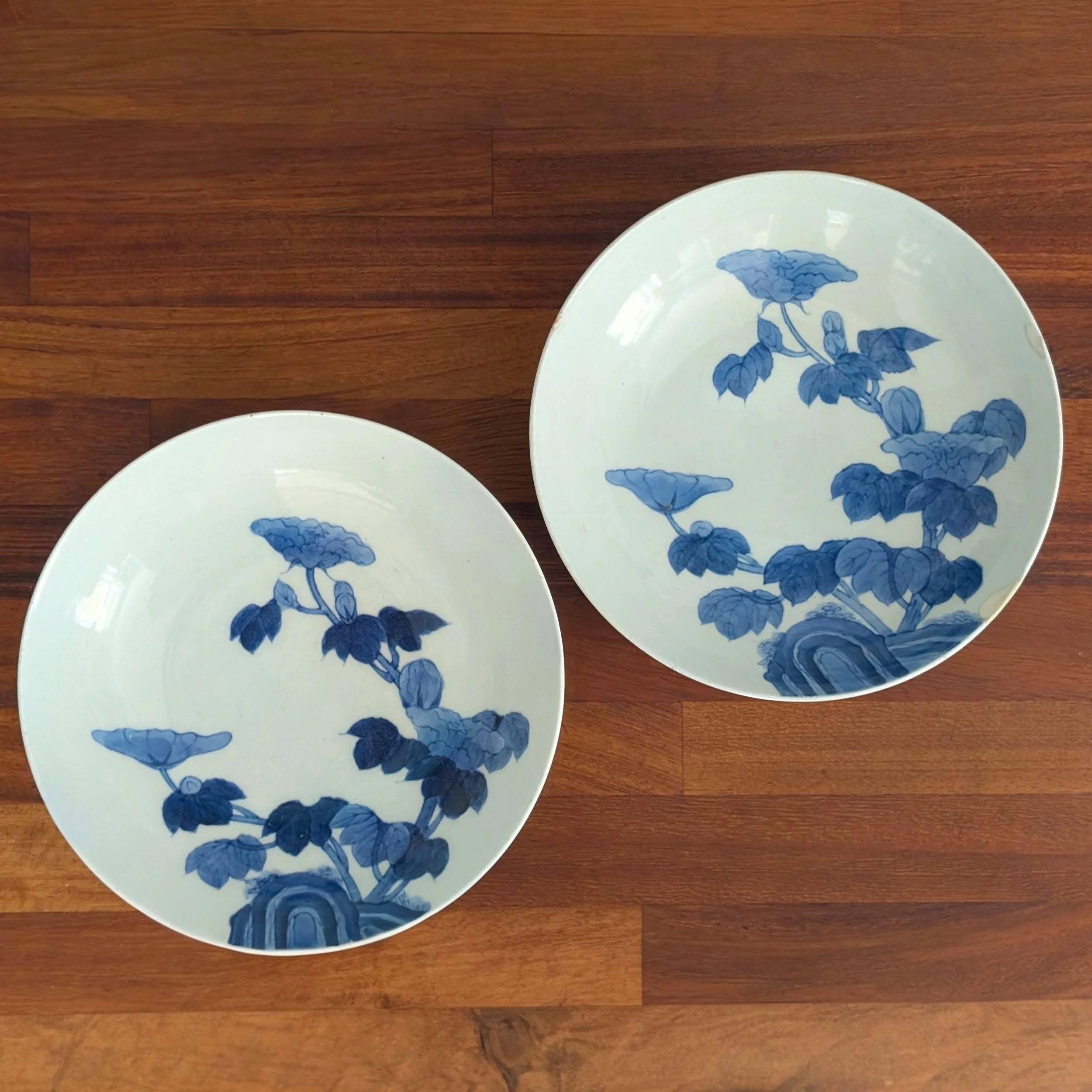
Each painted with a spray of blossoms issuing from a porous rockery.
Meiji period, late 19th century
21cm
This type of porcelain took the name of the clan supervising the production of the kilns from 17th - 19th centuries.
They typically feature a rounded body raised on a straight foot with a band of dentils and tied cash coin pattern called shippo tsunagi. The face bears the main design, famously minimalist in its aesthetics.
A dish of the same design is in the collection of the Fitzwilliam Museum in Cambridge under accession number MARC.C.110-1012
Each painted with a spray of blossoms issuing from a porous rockery.
Meiji period, late 19th century
21cm
This type of porcelain took the name of the clan supervising the production of the kilns from 17th - 19th centuries.
They typically feature a rounded body raised on a straight foot with a band of dentils and tied cash coin pattern called shippo tsunagi. The face bears the main design, famously minimalist in its aesthetics.
A dish of the same design is in the collection of the Fitzwilliam Museum in Cambridge under accession number MARC.C.110-1012